Wins for Oceans 5 grantees as campaign curbs fishmeal industry
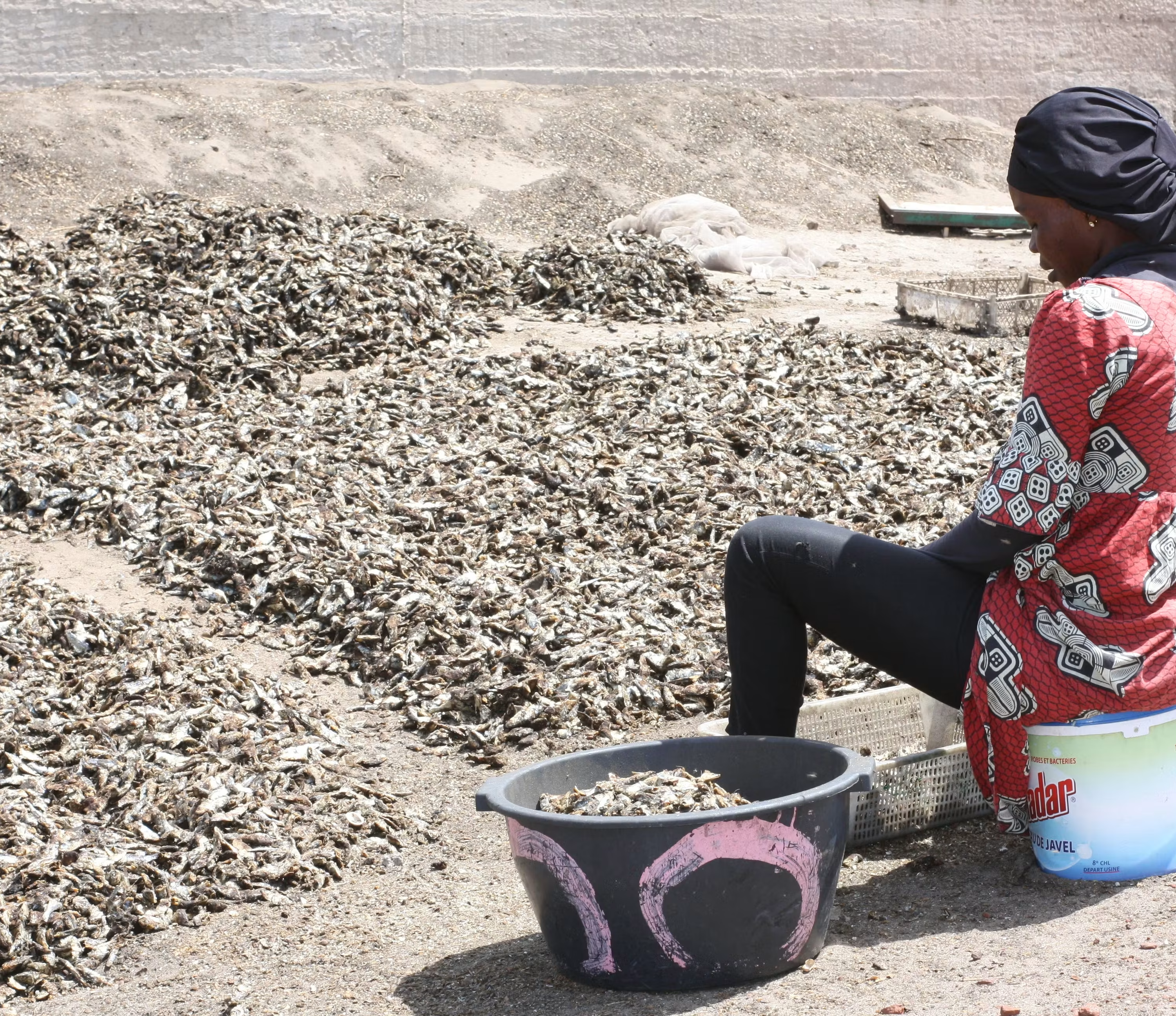
Fish Meal Plants in West Africa © Pierre Gleizes Greenpeace
05.03.2026
A major campaign to curb the fishmeal and fish oil (FMFO) industry in West Africa has been delivering tangible results for coastal communities and marine ecosystems.
Backed by Oceans 5 grantees and regional partners, the effort has targeted an increasingly controversial supply chain that turns small pelagic fish, which are vital to local diets, into feed for farmed salmon and pet food markets abroad.
In Mauritania, the number of fishmeal and fish oil factories has fallen dramatically, from around 50 plants to under 10 following government action and sustained advocacy. The closures mark a significant shift in a sector that expanded rapidly across West Africa over the past decade.
The stakes for local communities are high. Small fish such as sardinella and sardines are a cornerstone of food security across the region, providing affordable protein and supporting thousands of livelihoods in artisanal fisheries.
Yet increasing volumes of these fish have been processed into feed ingredients for global aquaculture. According to the Foodrise report Blue Empire, the Norwegian salmon industry alone uses nearly two million tonnes of wild fish annually in feed production, with a significant share sourced from West African waters. Greenpeace campaign manager Aliou Ba described the system as sending “the fish of the poor to feed the fish of the rich,” exporting essential nutrition from food-insecure regions to high-value seafood markets in the Global North.
Campaign pressure is also beginning to influence corporate behaviour. Mowi, the world’s largest Atlantic salmon producer, stopped procuring raw materials (including fish oil) from Mauritania in West Africa in 2023 – an important signal to the broader aquaculture industry.
Advocates say the shift reflects growing awareness of the imbalance created by the fishmeal trade and is evidence that coordinated advocacy can reshape global supply chains, protecting both ocean ecosystems and local food systems.