Indigenous leadership and lasting conservation: Lessons from the Great Bear Sea
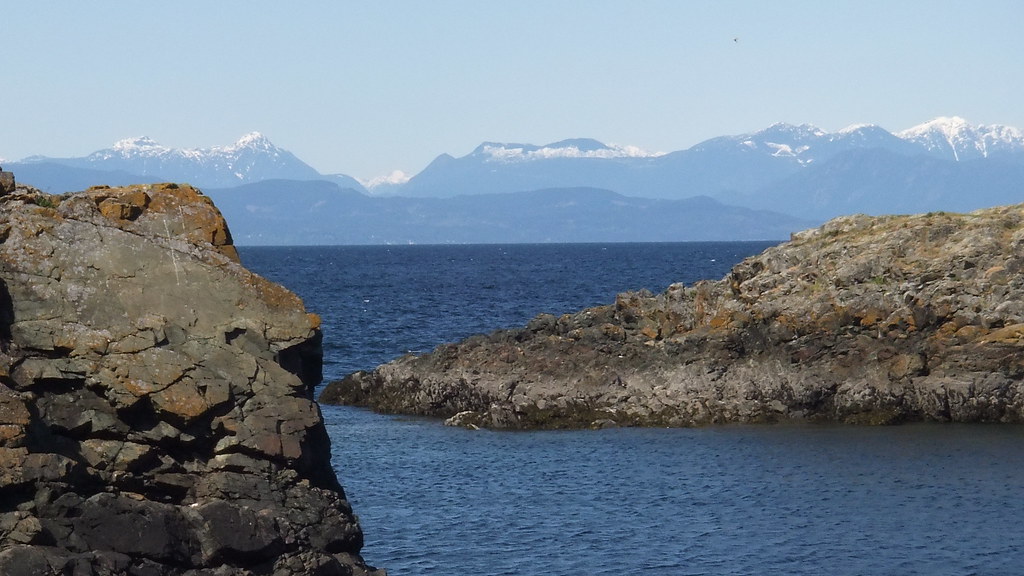
Great Bear Sea, British Columbia © gordonhunter / Creative Commons
10.03.2026
In the heart of Canada’s Pacific Northwest, a groundbreaking model for conservation is proving that lasting ecological protection and community well-being can go hand in hand. The Great Bear Sea, along the coast of British Columbia, is one of the world’s most productive cold-water marine ecosystems. It supports salmon, herring, whales, seabirds, and extensive kelp forests. For thousands of years, coastal First Nations have relied on this marine environment for food, culture, and livelihoods.
In 2024 the Great Bear Sea Project Finance for Permanence (PFP) was announced – a landmark conservation agreement supporting long-term marine protection and stewardship across the region. The initiative brings together 17 First Nations, the Governments of Canada and British Columbia, and philanthropic partners, with an initial funding commitment of $335 million. The agreement will help implement a network of marine protected areas while strengthening Indigenous stewardship and sustainable economic opportunities in coastal communities.
The Great Bear Sea PFP builds on the success of the Great Bear Rainforest agreements, which demonstrated the power of long-term, flexible funding. Since its inception, the Rainforest PFP has protected 7 million hectares of land and marine territory, established 18 Guardian programs, and created over 1,400 permanent jobs. The new marine initiative extends this vision, aiming to conserve up to 84 species at risk, restore key fish stocks, and generate an estimated 3,000 new jobs and 32,000 days of skills training for local communities.
The Ecological Restoration Fund has contributed £5.8 million to the initiative through Coast Funds, supporting the implementation of the Marine Protected Area (MPA) Network Action Plan and the Marine Plan Partnership, covering 3 million hectares of MPAs within 10 million hectares of conserved waters.
A recent lessons-learned report explores how the agreement came together and what insights it offers for other large-scale conservation initiatives.
Long-term planning and relationships:
The Great Bear Sea agreement builds on decades of collaboration among First Nations, governments, and conservation partners. The earlier work to protect the Great Bear Rainforest helped establish trust, governance structures, and stewardship capacity, creating the foundation for a complex marine conservation agreement at scale.
Indigenous leadership:
First Nations played a central role in developing the conservation vision for the region. Over nearly two decades, stewardship teams conducted ecological research, integrated Indigenous knowledge with scientific monitoring, and developed marine spatial plans that informed the design of the protected area network.
Strong coordination:
With multiple governments, 17 Nations, conservation organisations, and philanthropic partners involved, coordination is essential. Working groups, collaborative decision-making tables, and dedicated leadership helps align priorities, manage negotiations, and maintain momentum.
Durable financing:
Project Finance for Permanence models secure policy commitments and funding upfront, enabling conservation programs to operate effectively over the long term. In the Great Bear Sea, this funding will support stewardship programs, monitoring, and the implementation of marine plans.
Together, these lessons highlight how large-scale conservation initiatives can succeed when grounded in strong partnerships, Indigenous leadership, and long-term financial commitments. The Great Bear Sea PFP also provides an important example of how collaborative approaches can protect ecosystems while supporting coastal communities.