ERF awards new grants to Fauna & Flora and The Lifescape Project
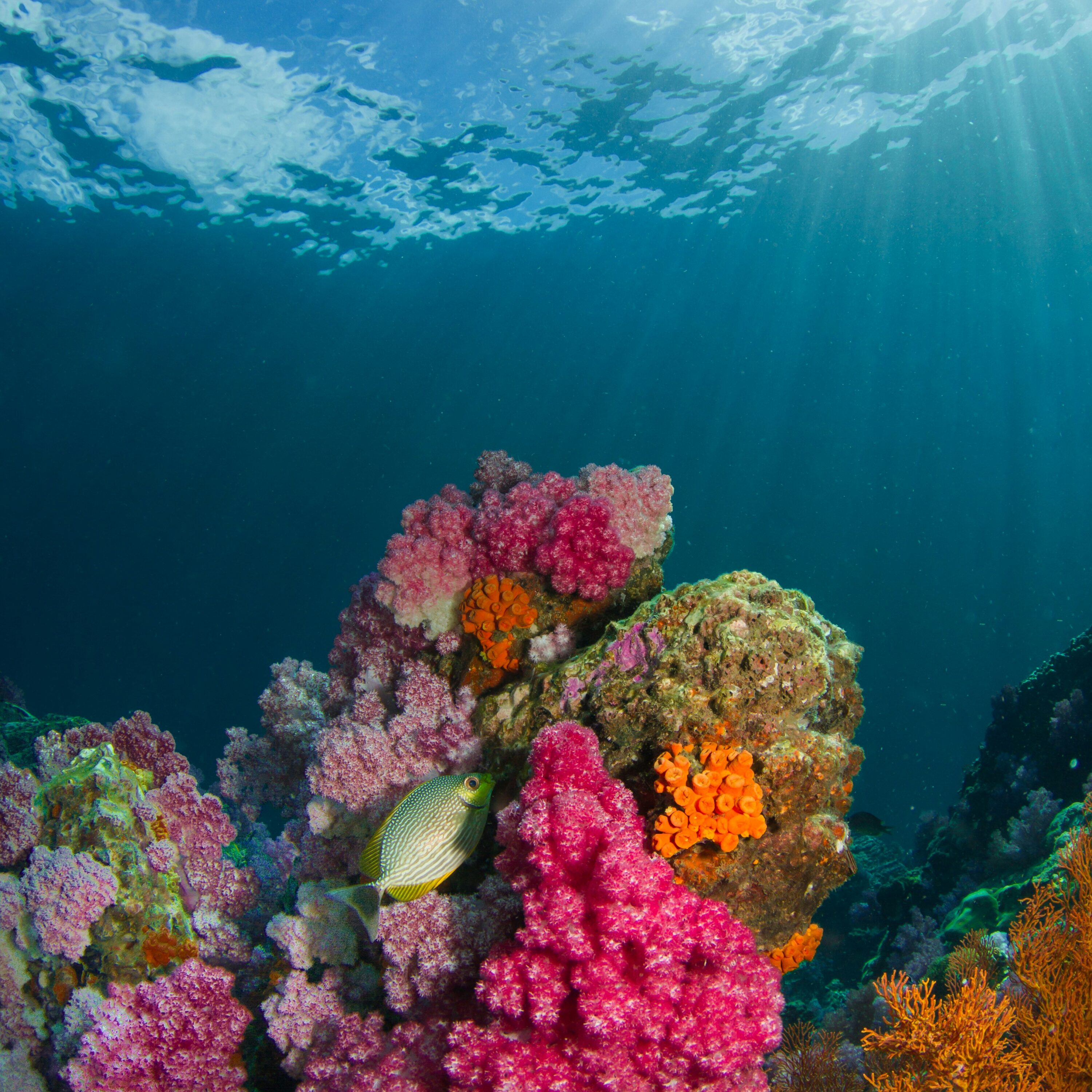
Ko Lipe, Thailand, © Milos Prelevic on Unsplash
24.11.2025
The Ecological Restoration Fund (ERF) has awarded two new grants to support global and UK-led conservation efforts. The Lifescape Project has received a second ERF grant of £800,000 over four years to strengthen its global legal programme. Legal and regulatory frameworks remain some of the greatest barriers to rewilding in the UK and across Europe. Efforts to restore habitats, reintroduce species, and manage land for biodiversity often face resistance rooted in outdated legislation, policy gaps, or conflicting regulations.
This UK-based charity restores and protects wild landscapes by applying science, law, technology, and community engagement. While ERF’s first grant supported Lifescape’s work on reintroducing keystone species such as the Eurasian lynx, the new funding will expand the charity’s legal work to drive nature restoration by generating and sharing knowledge, clearing legal barriers, and pursuing strategic litigation.
Fauna & Flora has been awarded £1.5 million over three years to provide flexible support for its expanding marine conservation portfolio, which currently spans 19 countries. The world’s marine ecosystems are facing escalating threats, from overfishing to climate change, that are degrading habitats and placing many species at risk.
As a UK-based global conservation organisation working closely with local partners, Fauna & Flora protects threatened species and ecosystems and restores critical habitats. ERF’s grant will help the organisation strengthen community-led marine management, safeguard key species and seascapes, and address wider threats through improved policy and practice. The funding will support site-based marine conservation in 10 geographies across their current portfolio, reinforce local leadership, and underpin long-term ecological recovery. This will contribute to Fauna & Flora’s goal to double its impact by 2030, and to its global commitments such as the 30×30 target, which aims to secure 30% of land and sea under effective protection by 2030.