A new era for ocean protection: The High Seas Treaty enters into force
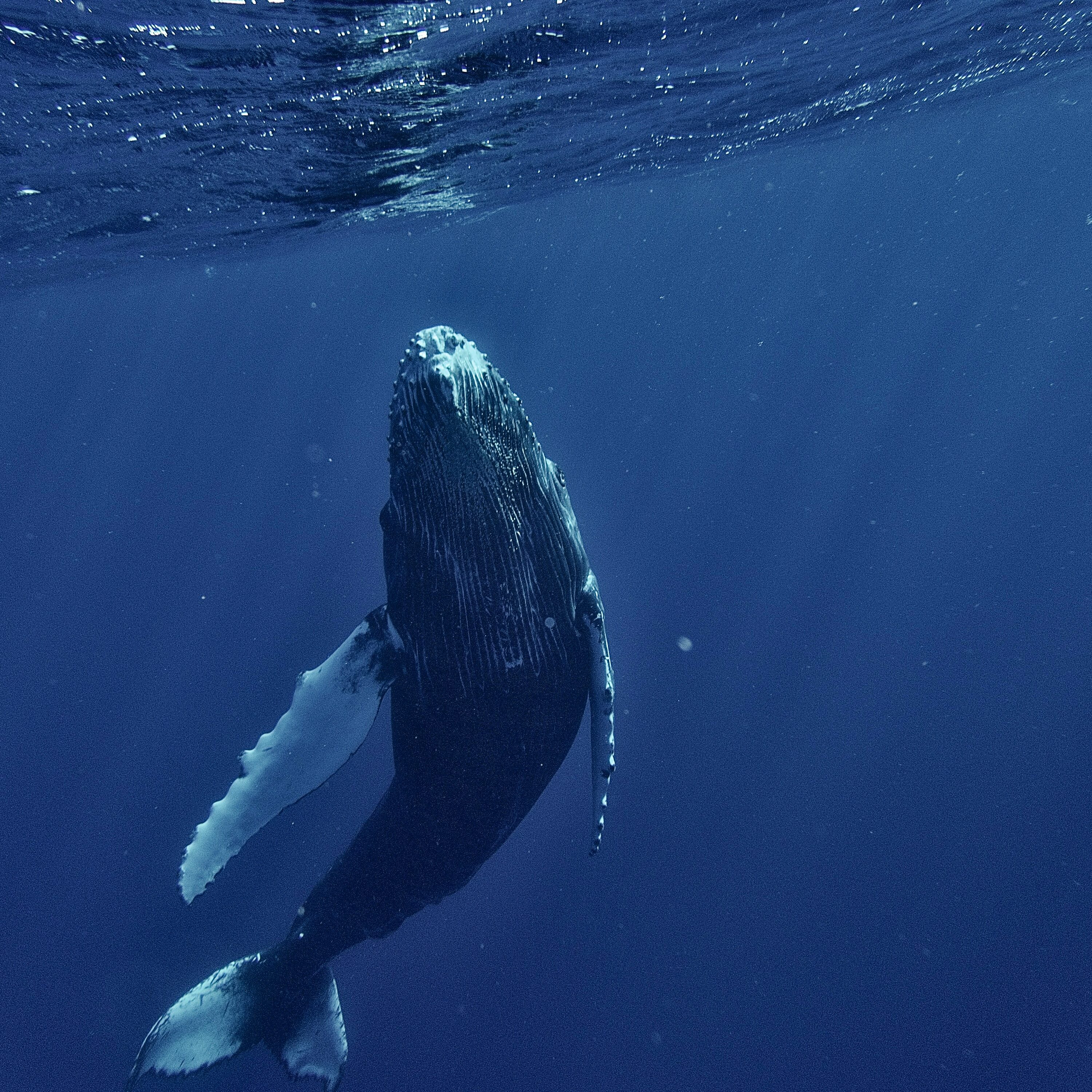
Whale in Mauritius © Unsplash / Chinh Le Duc
20.01.2026
On 17 January 2026, the High Seas Treaty entered into force, marking a significant step forward for ocean governance.
The high seas cover almost half the planet and are central to climate regulation, carbon storage and global biodiversity. Yet, as areas beyond national jurisdiction, these waters have long been governed through fragmented rules rather than a comprehensive framework to safeguard their biodiversity. Pressures from industrial fishing, deep-sea mining, pollution and a warming, acidifying ocean have continued to grow. The High Seas Treaty now provides a coherent framework for countries to work together, enabling coordinated action to conserve marine life and manage human/extractive activities sustainably.
In practical terms, the agreement allows governments to create legally binding marine protected areas (MPAs) on the high seas for the first time. It establishes a system for environmental impact assessments to scrutinise industrial activities such as deep-sea mining, shipping and emerging biotechnologies, and it sets rules for the fair sharing of benefits derived from marine genetic resources.
Yet the treaty’s impact will depend on implementation. Countries must agree procedures for creating and managing MPAs, set science-based standards for impact assessments, and deliver capacity-building and technology transfer to developing states. Financing and coordination with bodies governing fishing, seabed mining and shipping remain critical challenges. Several major maritime nations have also yet to ratify the treaty, including the UK, which has signed the agreement but not completed parliamentary ratification, underlining the need for continued diplomacy.
The overall achievement reflects years of collective advocacy. The High Seas Alliance, a long-standing partner of ERF grantee Oceans 5, helped mobilise scientific expertise, public support and political momentum. As a member for the Alliance, Dr. Lance Morgan of the Marine Conservation Institute noted: “The entry into force of the High Seas Treaty marks a long-awaited turning point for ocean governance… Now the global community has both the mandate and the responsibility to act, and the work ahead must focus on implementation.”
For ERF and its partners, this moment is both celebratory and clarifying. Protecting ocean health is essential to climate resilience, food security and the wellbeing of coastal communities. Turning the treaty’s provisions into real protection on the water, including robust MPAs, credible impact assessments and equitable benefit-sharing, will require sustained collaboration between governments, philanthropy and civil society.