“It gives a voice to thousands who refuse to accept the continued degradation of their rivers”: River Action supporting UK’s largest ever pollution claim
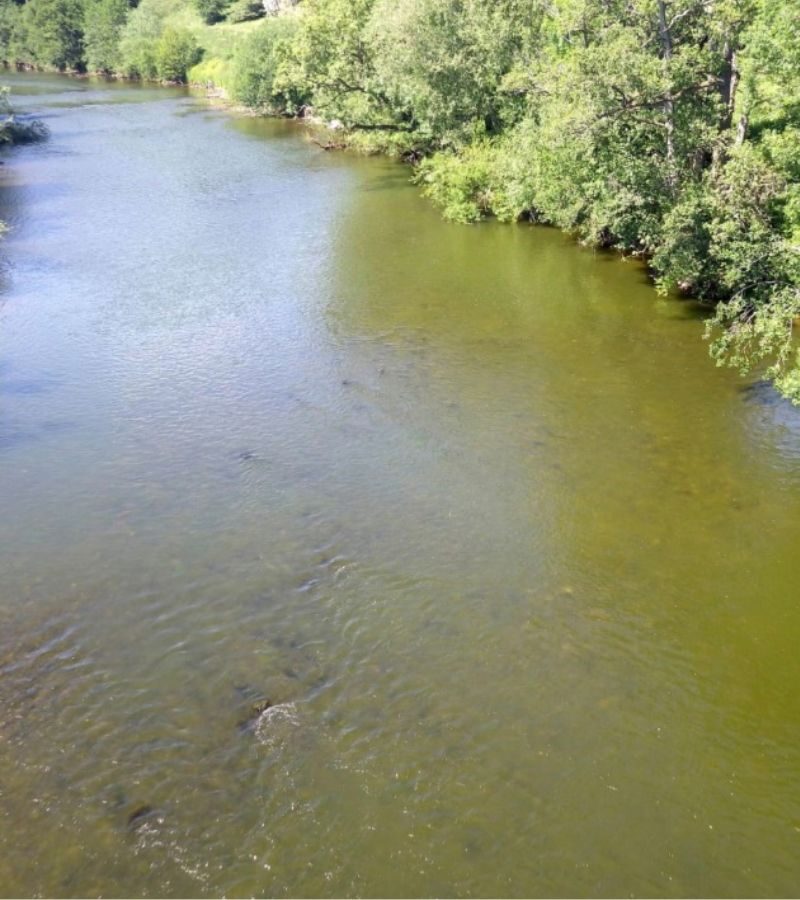
River Wye © River Wye and Usk Foundation
12.05.2026
River Action is backing the UK’s largest environmental pollution case, as more than 4,500 residents, landowners, and businesses pursue legal action against Avara Foods and Welsh Water over alleged pollution of the rivers Wye, Lugg, and Usk. The High Court claim argues that years of industrial-scale poultry production and sewage discharges have contributed to a severe ecological crisis affecting some of Britain’s most environmentally significant waterways.
The case, led by Leigh Day, alleges that excessive spreading of poultry manure has released excess phosphorus and nitrogen into surrounding rivers. According to the claimants, this nutrient pollution has caused persistent algal blooms, depleted oxygen levels, and extensive harm to fish populations and wider biodiversity. Campaigners argue that stretches of the River Wye, once known for their ecological richness and salmon populations, now regularly turn green, slimy, and foul-smelling during warmer months. Alongside this, the claim alleges that repeated sewage discharges by Welsh Water have compounded the problem.
Around 24 million chickens, roughly a quarter of the UK’s poultry population, are raised within the Wye catchment. Campaigners say the waste generated by these industrial operations has overwhelmed the river system. They point to dramatic declines in fish and plant populations, and the broader deterioration of river health.
For affected communities, the case is not only about environmental restoration but also about economic and social impacts, including losses to tourism and local livelihoods. One example cited was that the average annual salmon catches on the Wye have fallen from about 1,140 annually in 2013–18 to fewer than 330 in the last five seasons, a decline of roughly 70%, and the lowest since records began in 1941.
Avara Foods and Welsh Water deny responsibility for the environmental decline. Lawyers representing Avara argue the legal action lacks scientific basis and that individuals must demonstrate direct personal harm caused by pollution linked specifically to the defendants’ operations. Welsh Water said it has invested in infrastructure improvements and will defend the case.
The case represents a broader attempt to establish accountability for large-scale environmental damage. If successful, it could become a landmark precedent in UK law, shifting how pollution cases are pursued and strengthening the ability of communities to challenge corporate polluters.
River Action’s Emma Dearnaley noted that “it gives a voice to thousands who refuse to accept the continued degradation of their rivers. Communities should not have to live with the consequences of sewage pollution or an intensive farming model that we believe pollutes their waterways.” She concluded that the action offered a way to “secure the systemic change needed to protect and restore our rivers for generations to come.”