High Seas Treaty prep talks advance, but fall short of ocean crisis urgency
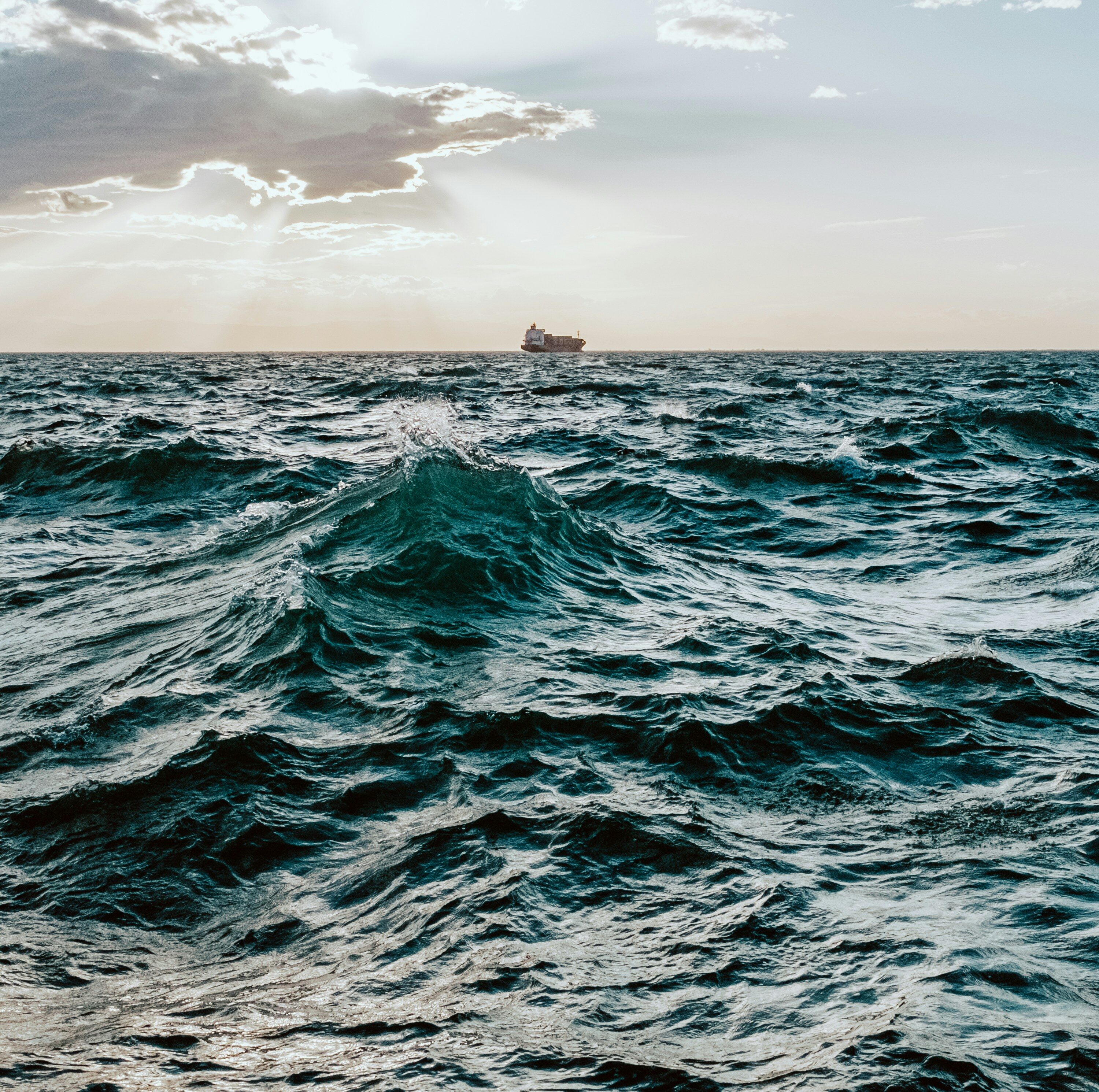
The high seas © Tasso Mitsarakis Unsplash
21.04.2026
A major round of United Nations negotiations to operationalise the High Seas Treaty has concluded in New York, delivering measurable progress but leaving critical political gaps unresolved, according to the High Seas Alliance, a coalition of over 70 organisations working to secure international governance to protect the high seas.
The third and final session of the Preparatory Commission (PrepCom) focused on laying the groundwork for implementing the landmark Biodiversity Beyond National Jurisdiction (BBNJ) Agreement, which entered into force in January 2026. The treaty establishes the first global legal framework to conserve marine biodiversity in areas beyond national borders, covering nearly half the planet.
Negotiators made tangible headway on several institutional and technical elements required ahead of the first Conference of the Parties (COP1), expected to take place in January 2027. These include progress on governance arrangements and the structure of subsidiary bodies, financial rules, and the development of a Clearing-House Mechanism, a vital platform for sharing ocean data and supporting implementation. Initial steps were also taken toward establishing the treaty’s Secretariat, a central pillar for implementation.
However, while many governments showed flexibility and commitment, unresolved political disagreements, some unrelated to ocean conservation, continue to hinder consensus on key operational elements, including decision-making procedures and funding arrangements. These delays could have consequences for global ocean protection targets. The first marine protected areas (MPAs) are considered unlikely to be adopted before 2028, meaning implementation on the high seas may begin only just before the 2030 deadline associated with the global 30×30 biodiversity target.
Governance procedures and observer participation emerged as particularly contentious. Delegations ultimately agreed to a “two-step” compromise allowing states to object to observer participation, while deferring final decisions to future Conferences of the Parties. Although less restrictive than earlier proposals, the approach introduces uncertainty and could lead to inconsistent or more limited participation across bodies.
Observers, including civil society, Indigenous Peoples, and the scientific community, play a critical role in providing expertise, accountability, and legitimacy to the process. Stakeholders warned that the new approach may disproportionately affect less-resourced groups and risks undermining inclusive participation, particularly for Indigenous Peoples and local communities. As Rebecca Hubbard, High Seas Alliance Director, concluded; “The strength of this Agreement will depend on open, consistent, and inclusive participation. Participation is not optional, it is essential to the treaty’s effectiveness.”
This dynamic has heightened concerns among vulnerable countries, particularly small island developing states, which have emphasised the need for swift and effective action to safeguard marine ecosystems. At the same time, there was broad recognition that the PrepCom has advanced foundational work that can now be refined and adopted at COP1.
The High Seas Alliance emphasised that, with the treaty now in force, the focus must shift decisively from negotiation to delivery. It urged governments to resolve outstanding issues swiftly and maintain momentum, stressing that “time is of the essence” for protecting ocean biodiversity.
The outcome of these talks underscores a familiar tension in multilateral environmental governance: meaningful progress is being made, but not yet at the scale or speed required to meet the urgency of global ecological challenges.